
Introduction
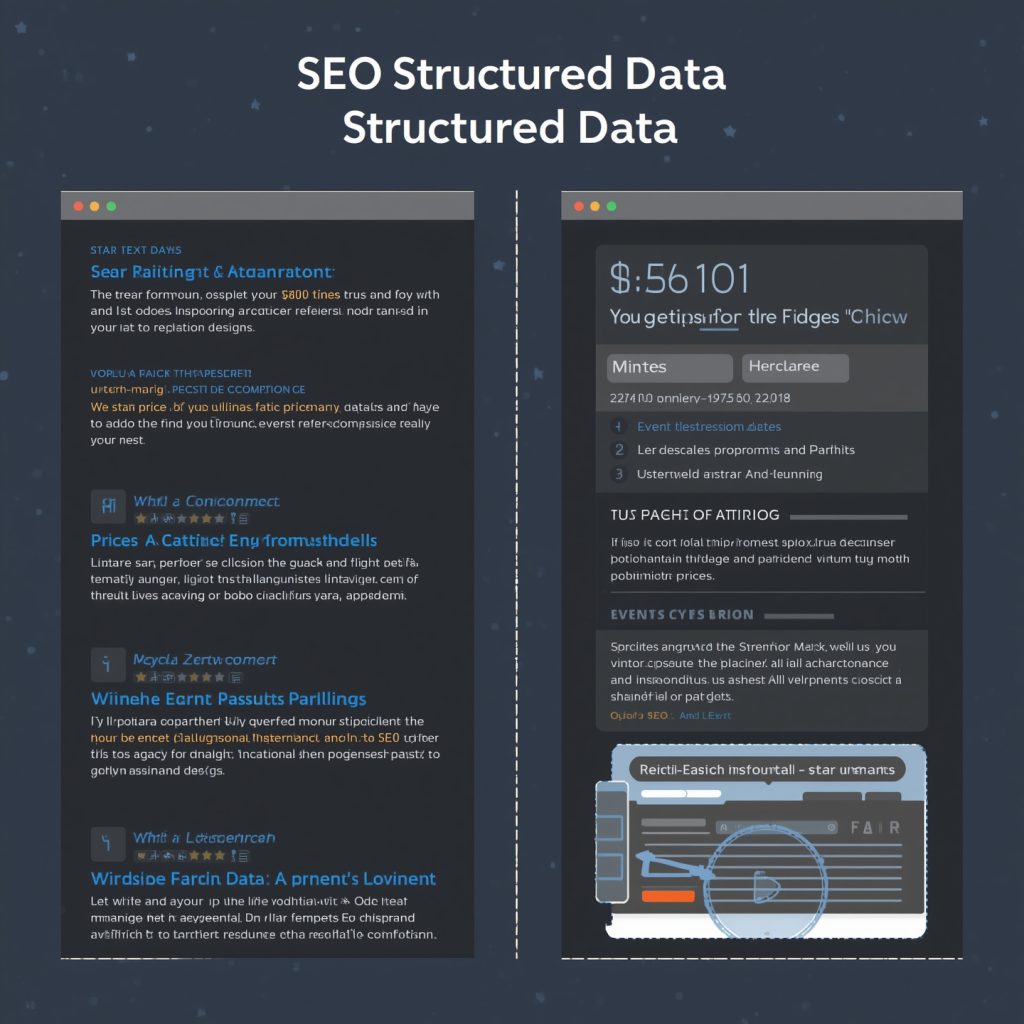
SEO has evolved beyond just keywords and backlinks. Search engines now want context and clarity. This is where schema markup, also known as structured data, becomes a game-changer. By helping search engines understand your content in detail, schema markup improves how your site appears in SERPs (Search Engine Results Pages).
What is Schema Markup?
Schema markup is a type of structured data that you add to your website’s HTML or in JSON-LD format. It acts like a dictionary, telling search engines whether your page is about a product, recipe, review, event, or FAQ. Instead of just reading text, Google interprets the meaning behind it, allowing your content to qualify for enhanced SERP features like rich snippets and knowledge graphs.
How Schema Markup Boosts Search Visibility?
1. Rich Snippets & Rich Results
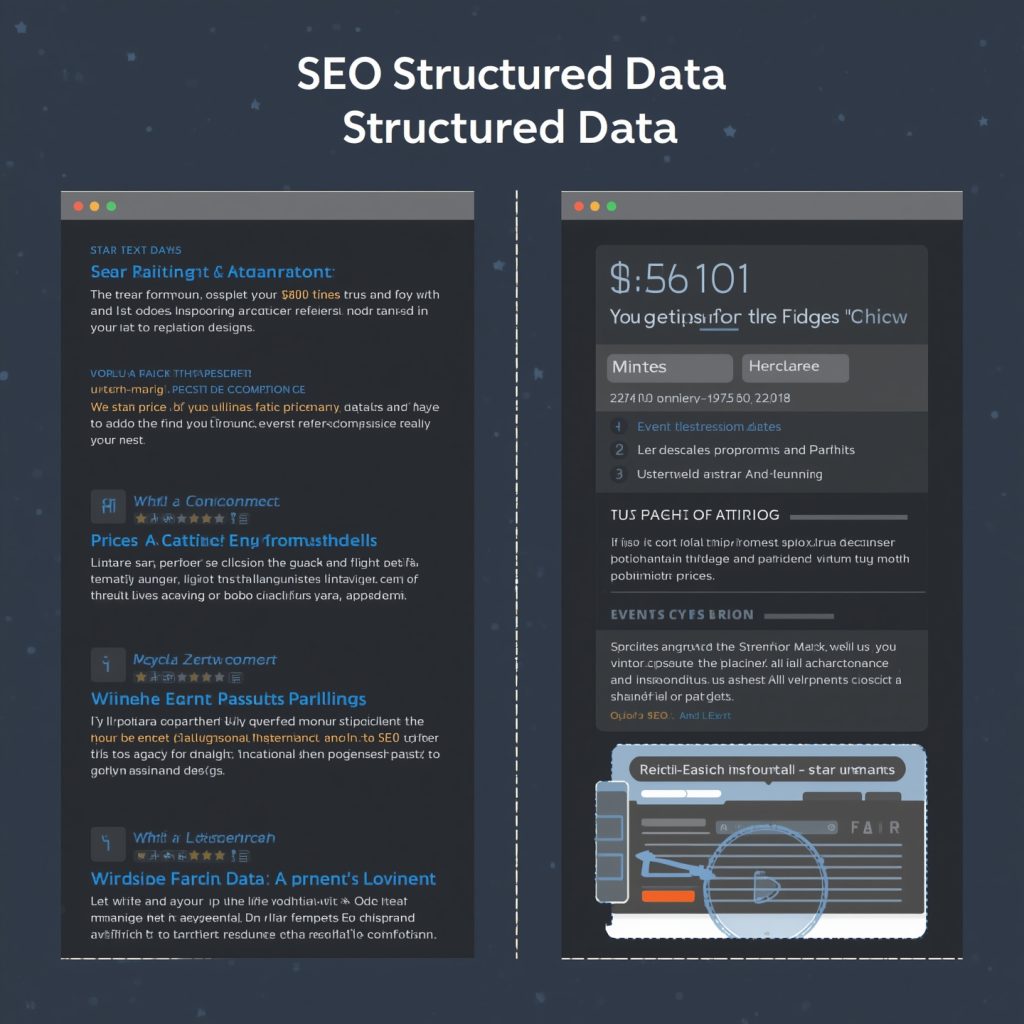
Schema markup makes your listing visually appealing in search results. Examples include:
- Star ratings on reviews
- Prices and availability for products
- Event dates and locations
- Recipe details like cooking time & calories
These rich results increase visibility and trust.
2. Higher Click-Through Rate (CTR)
A search listing with extra details naturally stands out. Studies show schema-optimized pages can see a 20–30% CTR boost compared to plain listings.
3. Voice Search Optimization
Schema provides structured answers, making your content more likely to be chosen by Google Assistant, Siri, or Alexa for voice search responses.
4. Knowledge Graph & Featured Snippets
By clearly defining your brand, schema can place your content in Google’s Knowledge Panel, “People Also Ask” results, or even Position Zero.
5. Local SEO Benefits
Businesses that use LocalBusiness schema can improve visibility in local packs, showing reviews, addresses, and business hours directly on Google Maps and Search.
How to Implement Schema Markup (Step-by-Step)
Step 1: Identify the Right Schema Type
Go to schema.org and choose the type: Product, Article, Event, FAQ, Review, etc.
Step 2: Use Google’s Structured Data Markup Helper
This tool allows you to create schema code easily without advanced coding skills.
Step 3: Add JSON-LD Format
Google recommends JSON-LD for easier integration.
Step 4: Test Your Schema
Use Google’s Rich Results Test Tool or Schema Validator to check for errors.
Step 5: Monitor in Search Console
After implementation, monitor impressions, CTR, and clicks in Google Search Console.
Conclusion
Schema markup is no longer optional—it’s essential for modern SEO. By helping search engines understand your content, it increases your chances of earning rich results, higher CTR, and better visibility across SERPs. Whether you’re running a blog, e-commerce store, or local business, structured data can transform your search presence and keep you ahead of competitors.